Water at the window head
A drip or stain above the opening may relate to head flashing, wall transitions, roof-edge water, or a path higher on the elevation. The area above belongs in the first photo set.
Understand this repair ↗Water near a window may enter through the opening, surrounding wall, roof edge, flashing, sealant joint, stucco transition, or another source. All World Construction LLC organizes the evidence, defines responsible investigation, and builds a coordinated repair scope around the property—not a guess based on one wet corner.
Licensed general contractor · San Diego County

A wet sill, bubbling paint, stained drywall, or dripping head can be the end of a path that began above or beside the opening. Wind, roof runoff, wall transitions, sealant joints, flashing, and concealed drainage can all affect where water appears. AWC helps San Diego County homeowners, managers, apartment operators, and HOAs collect useful evidence and define the trades involved. For uncertain, exterior, occupied, or multi-trade conditions, the $250 Site Evaluation + Written Bid Package provides a written scope and is credited toward approved work when approved within 30 days.
A drip or stain above the opening may relate to head flashing, wall transitions, roof-edge water, or a path higher on the elevation. The area above belongs in the first photo set.
Understand this repair ↗Water at the bottom may come through the opening or arrive from adjacent materials. Note wind direction, rain timing, exterior staining, and whether tracks begin higher than the visible wet point.
Understand this repair ↗A visible gap is relevant evidence, but filling the first crack can hide a clue without resolving flashing or drainage. Review the complete perimeter and wall plane before selecting a patch.
Understand this repair ↗Interior finishes show where water became visible, not necessarily where it entered. Protect the area, document the pattern, and define whether exterior review or controlled opening work should come first.
Understand this repair ↗Recurring symptoms after caulk, paint, or drywall work suggest the prior scope may not have addressed the complete path. Gather the old proposal and compare it with current rain behavior.
Understand this repair ↗Record the first damp location, weather and timing. Different events may point toward different investigation paths.
The frame, sill, head, wall and roof edge each belong in the review when the evidence supports it.
Define the purpose and limits of an opening before removal. Concealed findings may change the approved repair.
Complete the agreed correction and drying review before closing and refinishing affected surfaces.
A documented path from rain pattern and exterior context to opening work, repair boundaries, and finish restoration.

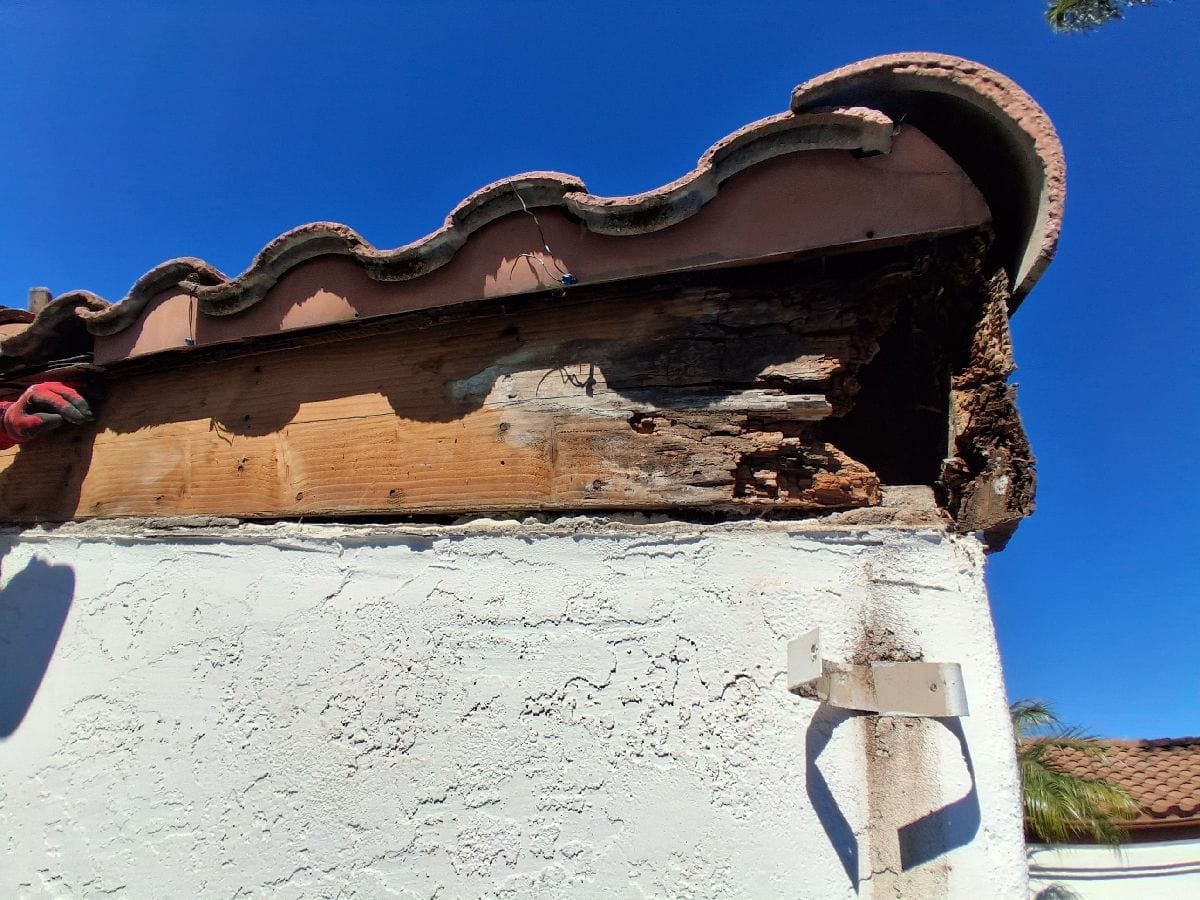
One AWC project involved fascia rot and a leaking window below the roof edge. The project review identified a clogged gutter, incorrect flashing, poor prior work, and insufficient maintenance as contributing conditions. The practical lesson is to trace the symptom through the roof edge, fascia, wall transition, and opening before selecting a surface repair or restoring the interior finish.
Real AWC material · Clearly stated limitsDocument drips, stains, bubbling paint, and weather patterns around windows without assuming the visible wet point is the entry point.
Read the guideUnderstand why drywall and paint damage near a window does not by itself identify the exterior entry point.
Read the guideCompare three common repair paths and learn what evidence should support each before work begins.
Read the guidePlan investigation, opening, flashing, lath, stucco, sealant, and finish work where a window meets a stucco wall.
Read the guidePhotos and rain history help identify relationships and decide where to review first, but they do not prove the entry point, concealed path, or complete scope. Water can move behind finishes before appearing. Site review, controlled testing by an appropriate party, or authorized opening work may be required.
No. The opening itself is one possibility, but the source may involve surrounding stucco or siding, flashing, roof or gutter conditions, a deck above, penetrations, sealant joints, plumbing, or another path. The scope should distinguish the window unit from adjacent construction.
Sealant can be appropriate at a designed maintained joint, but applying it to the first visible crack is not a reliable diagnosis. The joint may be wet, deteriorated, incorrectly configured, or part of a larger flashing and drainage problem. Review the assembly before choosing a sealant repair.
The first opening depends on the symptom, exterior context, weather pattern, access, and what question needs to be answered. Interior removal can show a concealed path or damage, while exterior opening may be needed to reach flashing or wall layers. Any opening should be authorized, protected, and documented.
When field verification is needed, request the $250 Site Evaluation + Written Bid Package. The $250 is credited back if the construction project is approved within 30 days.
Tell us what you see, when it happens and who can authorize the work. Scope and scheduling are confirmed after review.